How to Choose a Winter Hat: Styles, Materials and Sizing
Affiliate disclosure: This article contains affiliate links. If you buy through them, we may earn a small commission at no extra cost to you. As an Amazon Associate I earn from qualifying purchases. Links go to Amazon search results for the product types we mention, not to specific products we have tested.
A good winter hat does two jobs. It keeps your head and ears warm, and it finishes an outfit. The right one can make an everyday coat look put together, and the wrong one can be itchy, too tight or always slipping up off your ears.
Here's how to pick a hat by style, material and fit.
Why a hat matters
You may have heard that most body heat escapes through the head. That's an exaggeration. Your head loses heat roughly in proportion to how much skin is exposed, like any other part of the body. But because your head and ears are usually uncovered when the rest of you is bundled up, a hat makes a noticeable difference to how warm you feel. Ears are thin and easily chilled, so covering them helps a lot on windy days.
Winter hat styles
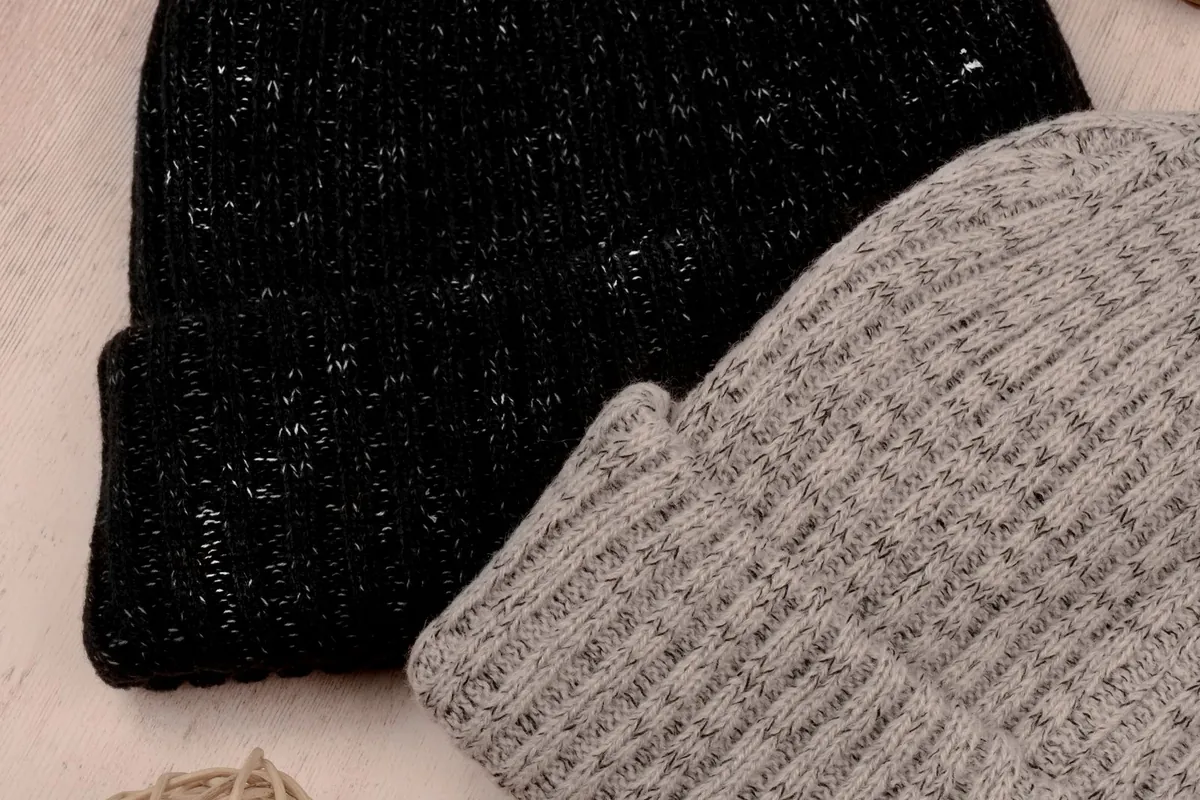
Classic cuffed beanie
A fitted knit hat with a folded cuff. The cuff doubles the fabric over your ears for extra warmth. It suits almost everyone and every coat.
Slouchy beanie
Longer at the back, with a relaxed fit. Casual and comfortable, and works well with longer hair. Less snug, so a bit less warm in strong wind.
Pom-pom beanie
A beanie with a pom on top, either yarn or faux fur. Adds height and a playful touch. Some have detachable poms for washing.
Fisherman beanie
A short, shallow beanie that sits above the ears. A fashion choice more than a warmth choice.
Trapper or aviator hat
A hat with ear flaps and often a fleece or faux-fur lining. One of the warmest choices for very cold, windy weather. Search trapper hats with ear flaps if you face bitter wind chills.
Beret
A wool or felt beret is chic with wool coats, but it doesn't cover the ears. Best for milder cold days.
Fleece-lined bucket hat
A brimmed hat with a cozy lining. Keeps sleet off your face and suits casual outfits.
Headband or ear warmer
Keeps ears warm and leaves hair styles intact. Good for running or mild days.
Balaclava or hood scarf
Covers head, ears and neck. Popular for very cold commutes and outdoor sports.
Materials compared
- Wool: warm and breathable, stays warm when slightly damp. Some people find coarser wool itchy.
- Merino wool: finer and usually softer, with good temperature regulation.
- Cashmere: very soft and light, but delicate and needs gentle care.
- Acrylic: affordable, easy to wash and often soft, but less breathable. Can feel sweaty.
- Fleece lining: adds warmth and blocks some wind. A fleece-lined knit is a great combination.
- Blends: wool-acrylic blends balance warmth, softness and easy care.
If wool irritates your forehead, look for a hat with a soft lining or a cotton or fleece band inside. A fleece lined beanie is a good itch-free option.
How to measure your head
- Wrap a soft tape measure around your head, just above your eyebrows and ears, where a hat would sit.
- Keep it level all the way around.
- Note the measurement and compare it with the hat's size chart.
Many knit hats are "one size" and stretch to fit a range. If you have a larger or smaller head, look for brands that list specific sizes or stretch ranges.
Fit tips
- Covers your ears fully without needing to be pulled down constantly.
- Snug but not tight. Tight hats can cause headaches and leave marks.
- Doesn't ride up. If it slips up when you walk, it's too shallow or too loose.
- Room for hair. A slouchy style or a hat with a ponytail opening helps with buns and ponytails.
Choosing a hat for your face shape
These are loose guidelines, not rules. Wear what makes you feel good.
- Round faces: hats with height, like pom-pom or slouchy beanies, add length.
- Long faces: cuffed beanies worn lower on the forehead, or wider berets, balance length.
- Heart-shaped faces: slouchy beanies and berets worn slightly back soften the forehead.
- Square faces: slouchy or rounded shapes soften angles.
- Oval faces: most styles work.
Matching hats to coats
- Wool overcoat: cuffed beanie in a neutral tone, or a beret.
- Puffer jacket: chunky beanie, pom-pom hat or trapper.
- Parka: trapper or fleece-lined beanie.
- Shearling-style jacket: a ribbed knit beanie.
Coordinate with a scarf and gloves for a polished look; see our winter accessories capsule and how to tie a scarf.
Caring for winter hats
- Hand-wash wool and cashmere in cool water with a gentle detergent.
- Press water out in a towel instead of wringing.
- Dry flat, reshaping as it dries. Drying a hat over a balloon or bowl helps keep the shape.
- Remove pills with a fabric comb.
- Take off detachable poms before washing.
For more on staying warm from head to toe, see our cold-weather layering guide.
Frequently asked questions
What is the warmest type of winter hat?
Hats that cover the ears and neck with a lined, wind-resistant outer, such as trapper hats and balaclavas, are among the warmest. A fleece-lined wool beanie is warm for everyday use.
How should a beanie fit?
Snug enough to stay in place and cover your ears, but not so tight it leaves marks or causes a headache.
Why is my wool hat itchy?
Coarser wool fibers can irritate sensitive skin. Try merino, a blend, or a hat with a soft lining.
How do I stop my hat from flattening my hair?
Choose a slouchy or loose-knit hat, try a silk-lined style, or wear a headband on milder days.
Can I wash a winter hat in the washing machine?
Check the label. Many acrylic hats can be machine-washed on gentle, while wool and cashmere usually need hand-washing.
Read next: Thermal Base Layers Guide: Merino vs Synthetic vs Cotton →