How to Care for Waterproof Boots So They Stay Waterproof
Affiliate disclosure: This article contains affiliate links. If you buy through them, we may earn a small commission at no extra cost to you. As an Amazon Associate I earn from qualifying purchases. Links go to Amazon search results for the product types we mention, not to specific products we have tested.
Waterproof boots don't stay waterproof forever on their own. Dirt, salt, flexing and heat all wear down the materials and coatings that keep water out. A few minutes of care every week or two can keep a good pair working for many winters.
The right method depends on what your boots are made of, so start by checking the label or the manufacturer's care instructions.
How boots stay waterproof
Most waterproof boots use one or more of these:
- Waterproof materials, such as rubber or treated leather.
- A membrane, a thin waterproof, breathable layer inside the boot.
- A water-repellent finish (DWR) on the outer fabric or leather that makes water bead up and roll off.
- Sealed seams.
When the outer finish wears off, the outer material soaks up water. Even if a membrane keeps your feet dry, a soaked outer feels heavy and cold, and the boot can't breathe well. Reproofing restores that outer layer.
Step 1: Clean after wet or dirty days
Dirt and salt break down leather and coatings.
- Knock off loose dirt and snow.
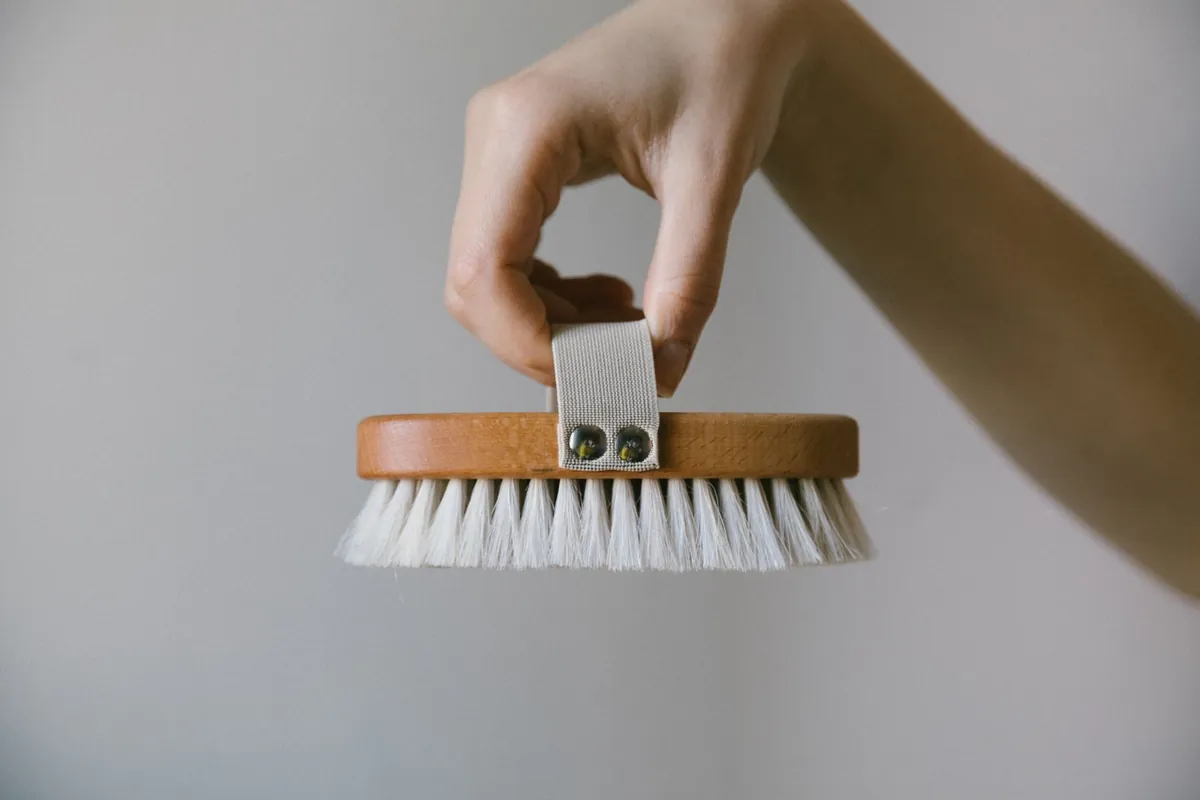
- Brush with a soft brush. Use a suede brush for suede and nubuck.
- Wipe with a damp cloth and lukewarm water. For heavy dirt, use a cleaner made for your boot material.
- Remove laces and insoles if they're wet or dirty.
- Deal with salt. White salt lines need extra attention. See how to remove salt stains from boots.
Avoid harsh detergents and household cleaners, which can strip finishes and dry out leather.
Step 2: Dry them the right way
This is where many boots are ruined.
- Dry at room temperature. Never put boots on a radiator, next to a fire or in a tumble dryer. Heat can crack leather, weaken glue and shrink materials.
- Stuff with newspaper or paper towels to draw out moisture. Change the paper every few hours.
- Open them up. Loosen laces and pull out the tongue and insoles.
- Use a boot dryer that uses gentle, low heat or airflow if you need boots dry by morning. Check that it's suitable for your boots.
Step 3: Reproof when water stops beading
Test by sprinkling a few drops of water on the boot. If they bead and roll off, the finish is working. If they darken and soak in, it's time to reproof.
Smooth leather
- Clean and let the boots dry until just damp or fully dry, as the product directs.
- Apply a leather waterproofing wax, cream or spray made for footwear.
- Work it into seams and the welt (where the upper meets the sole).
- Buff off excess and let it set.
- Leather conditioner every so often stops it drying and cracking, especially after salt exposure. Some conditioners darken leather, so test on a small hidden area first.
Suede and nubuck
- Use a spray made specifically for suede and nubuck. Waxes and creams will flatten the nap and change the look.
- Brush the nap up after drying.
Fabric boots with a membrane
- Use a spray-on water repellent made for synthetic footwear. Many are labeled as safe for breathable membranes.
- Apply to clean boots, often while slightly damp, following the label.
Rubber
- Rubber is naturally waterproof. Just clean it and keep it away from heat and direct sunlight. A rubber conditioner can help some boots.
A waterproofing spray for leather and fabric boots covers many pairs, but always check it's suitable for your material. A separate suede brush and eraser is useful for suede.
How often to reproof
There's no fixed schedule. Reproof:
- When water stops beading
- After deep cleaning
- At the start of each winter
- More often if you wear the boots daily in wet conditions
Step 4: Store them properly
At the end of winter:
- Clean and dry the boots fully.
- Condition leather.
- Stuff with paper or use boot shapers to keep tall boots upright.
- Store in a cool, dry place, away from sunlight. Breathable cotton bags are better than sealed plastic.
Leaks: when care isn't enough
If water gets in, check where. Wet socks only at the toes or heels could be a worn membrane, a split seam or a separating sole. Some specialist cobblers can reglue soles or repair seams. If your boots are still under warranty, check with the seller first before using any product or repair.
And sometimes the "leak" is sweat. Boots that don't breathe well, or cotton socks, can leave feet damp. Wool or synthetic socks wick moisture better. See our thermal base layers guide for more on materials.
If you're shopping for a new pair, our snow boot guide explains waterproof construction.
Frequently asked questions
How do I make my boots waterproof again?
Clean them, let them dry, then apply a waterproofing product suited to the material: wax or cream for smooth leather, a suede spray for suede, and a water repellent for fabric.
Can I dry boots on a radiator?
It's best not to. Direct heat can crack leather and damage glue. Dry them at room temperature with paper stuffed inside.
How often should I waterproof my boots?
When water stops beading on the surface, and usually at least once a season.
Does waterproof spray work on suede?
Yes, if it's made for suede and nubuck. Brush the nap after it dries.
Why are my feet wet in waterproof boots?
It may be a leak, water coming in over the top, or sweat. Check the boot and try moisture-wicking socks.
Read next: How to Remove Salt Stains from Boots (Leather, Suede and Fabric) →