Gloves vs Mittens: Which Keeps Your Hands Warmer?
Affiliate disclosure: This article contains affiliate links. If you buy through them, we may earn a small commission at no extra cost to you. As an Amazon Associate I earn from qualifying purchases. Links go to Amazon search results for the product types we mention, not to specific products we have tested.
It's one of the oldest winter questions. Gloves let you do things. Mittens keep your hands toasty. But is the difference really that big, and which should you buy?
The short answer: mittens are usually warmer, gloves are more practical, and there are several clever ways to get some of both.
Why mittens are usually warmer
Three simple reasons:
- Fingers share heat. In a mitten, your fingers sit together and warm each other. In a glove, each finger is wrapped separately and loses heat on all sides.
- Less surface area. A mitten has less outer surface than a glove of the same material, so it loses less heat to the air.
- More room for insulation. Mittens can hold thicker insulation without making it hard to bend your fingers.
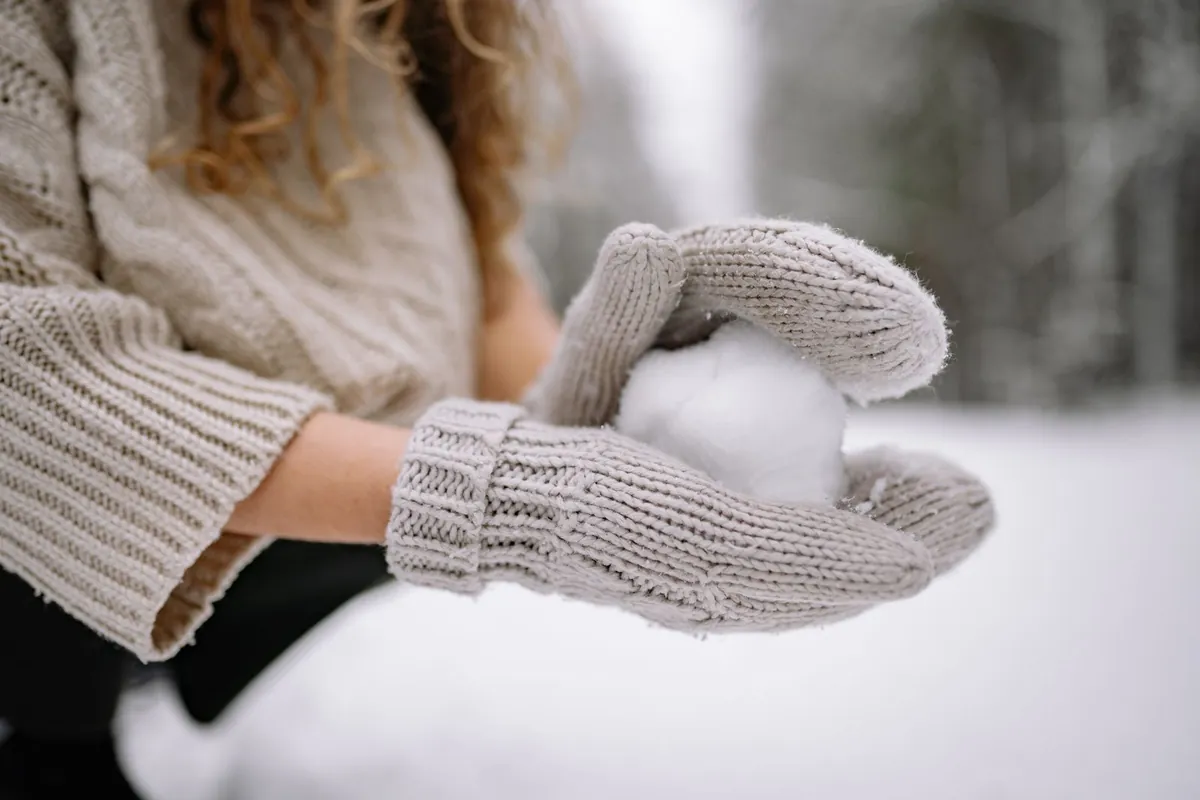
That's why mittens are popular for very cold weather, for people whose hands get cold easily, and for kids playing in the snow.
Why gloves are more practical
- Dexterity. You can grip, zip, unlock doors, hold a coffee and handle keys or bags.
- Touchscreens. Many gloves have conductive fingertips. See our touchscreen gloves guide.
- Driving and cycling. Better control of steering wheels, handlebars and brakes.
- Sports. Skiing poles, snowboarding bindings and other tasks are often easier in gloves.
For a short, mild commute where you're often using your hands, gloves usually make more sense.
Gloves vs mittens: quick comparison
- Warmth: mittens usually win.
- Dexterity: gloves win.
- Phone use: gloves with touch fingertips win.
- Getting on and off: mittens are often quicker.
- Kids: mittens are easier for little hands to put on.
- Style: both come in everything from knit to leather.
The in-between options
Flip-top or convertible mittens
These look like fingerless gloves with a mitten hood that folds back. You flip the hood off when you need your fingers, then flip it back over. Great for photographers, dog walkers and anyone using a phone outside. Search convertible flip top mittens to see styles.
Lobster mitts
A glove-mitten hybrid with the index finger separate from the rest. Fingers stay grouped for warmth, but you keep some grip. Popular for cold-weather cycling and skiing.
Liner gloves
Thin gloves worn under mittens or thicker gloves. They add warmth and let you remove the outer layer briefly without exposing bare skin. Many have touchscreen fingertips. Look for merino wool glove liners for warmth and moisture management.
Over-mitts
A waterproof, windproof shell worn over gloves on the worst days.
Materials that matter
- Wool: stays warm when slightly damp and is breathable. Can feel itchy for some people; merino is usually softer.
- Fleece: light, warm and quick-drying, but not wind or waterproof on its own.
- Leather: windproof, durable and smart. Lined leather is warm for city wear.
- Synthetic insulation with a waterproof shell: best for snow, sleet and outdoor sports.
- Cotton knit: comfortable but loses warmth when wet. Not ideal for snow.
Which should you choose?
- City commuting in mild cold: lined gloves, ideally touchscreen-friendly.
- Very cold, dry days: insulated mittens, perhaps with liners.
- Wet snow and slush: waterproof insulated gloves or mittens.
- Kids playing in snow: waterproof mittens with long cuffs.
- Dog walking in the dark: flip-top mittens or liner and mitten combos.
- Skiing and snowboarding: insulated, waterproof gloves or lobster mitts.
- Cold hands most of the time: mittens, with a liner for flexibility.
Fit and features
- Snug, not tight. Tight gloves restrict blood flow and make hands colder. Leave a little room at the fingertips.
- Long cuffs seal out snow and tuck under coat sleeves.
- Wrist cinches keep warm air in.
- Clips or a cord stop kids (and adults) losing them.
Caring for gloves and mittens
Good hand wear lasts longer with a little care:
- Dry them after every wet day. Turn the cuffs back and lay them flat or stand them on a rack at room temperature. Avoid radiators, which can shrink wool and stiffen leather.
- Wash knits gently by hand in cool water with a mild detergent, then press out the water in a towel.
- Condition leather occasionally so it stays soft and wind-resistant.
- Reproof waterproof shells when water stops beading on the surface.
- Keep a spare pair by the door, so you're never heading out in damp gloves.
Keeping hands warm
Warm hands start with a warm body. If your core is cold, your body reduces blood flow to your hands and feet. Layering properly helps; see our guide to layering for cold weather. Keep gloves dry, warm them before going out, and swap wet pairs for dry ones.
If your fingers often go white, numb or painful in the cold, talk to a doctor, as this can sometimes signal a circulation condition.
Building a full set of accessories? Our winter accessories capsule shows how to make gloves, hats and scarves work together.
Frequently asked questions
Are mittens warmer than gloves?
Usually, yes. Fingers share warmth inside a mitten, and there's less surface area to lose heat.
Why do my hands get cold even in gloves?
Gloves may be too tight, damp or not insulated enough, or your body may be cold overall. Try mittens, liners or more layers on your core.
What are lobster gloves?
Hybrid mittens with the index finger separate, offering more warmth than gloves and more grip than mittens.
Can I wear gloves under mittens?
Yes. Thin liner gloves under mittens add warmth and let you briefly take the mitten off.
Are mittens better for kids?
Often. They're warmer and easier for small children to put on.
Read next: How to Tie a Scarf: Easy Ways for Everyday Winter Outfits →